Burnout and Self-Care in Social Work

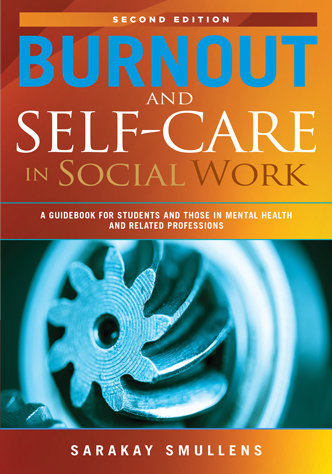
Burnout and Self-Care in Social Work: Second Edition

A Guidebook for Students and Those In the Mental Health and Related Professions

In the new edition, SaraKay introduces Societal Burnout as an essential component of burnout and illustrates its interaction with personal, professional, relational, and physical arenas of burnout. She also explores the impact of moral distress and dysfunctional leadership in families, work settings and society; addresses differences between depression and burnout from a psychosocial perspective; and shares vital information about our “inner-self” development. This innovative study can be beneficial to all seeking insight and balance in approaching their personal and professional responsibilities, as well as a reliable “emotional sense of direction” for themselves and their families.

Click here for SaraKay’s other books and reviews.
Click here for interviews & reflections about this book.
Click here for essential themes in Edition 2 of Burnout.

Latest Articles

Protect democracy

Tulsi Gabbard at the Fulton County ballot raid — Elijah Nouvelage / Reuters

To the editor:

My work as a therapist makes two concepts abundantly clear: There are parallel personality traits shared by destructive leaders in all walks of life and—for those who are enamored, empowered, or terrified by them—the defense mechanism of denial is extremely difficult to pierce. When it becomes clear that a leader of a household is a killer of either spirit or body or both, it is an uphill challenge to convey a warning to countless partners and many sons and daughters that, without their wake-up call, further destruction is both predictable and inevitable.

In like manner, warning signs clearly show our 47th president, raised to be a destroyer of all he cannot control, dominate, or seduce, never intends to leave office. For readers loyal to Donald Trump, I ask you to consider the futures of your sons, daughters, and theirs when you are no longer here to protect them, and they dare to have thoughts that lead to their imprisonment or death by an authoritarian leadership. If Trump ever intended to leave office, why has he sent a team of FBI agents armed with a search warrant to Fulton County to seize all available materials relating to the 2020 election? Do you think he will stop this behavior with Georgia?

Terrified his poll numbers are dropping, his intention is to alter evidence and once again lie—to tell the American people that evidence of voter fraud has, as he has always insisted, been found. Subsequently, he will tell us it will be too dangerous to hold elections. This takeover is our future if not stopped by a union of sane voices.

SaraKay Smullens
Philadelphia

Published in The Philadelphia Inquirer, February 25, 2026

Two questions

SaraKay and her mother, Charlotte, Oswego Avenue in Lower Park Heights, Baltimore, undated

To the editor:

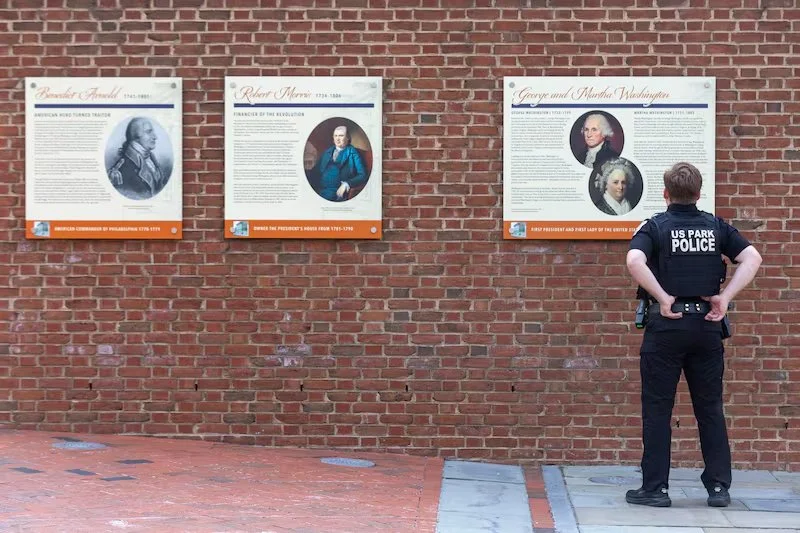
Growing antisemitic violence worldwide — with hate sanctioned through sentiments like those expressed by Vice President JD Vance at the recent Turning Point USA conference — compels me to share a personal story. The Baltimore of my youth was a time marred by disgraceful, degrading Jim Crow laws. Large signs were posted throughout neighborhoods and establishments reading, “No Jews, Negroes, or Dogs.” With regularity, our school classes traveled to Philadelphia to visit the Liberty Bell, which is inscribed with words from Leviticus 25:10: “Proclaim liberty throughout the land unto all inhabitants thereof.” No teacher ever referenced the disparity between these words and life as endured in Baltimore.

Following the April 4, 1968, assassination of the Rev. Dr. Martin Luther King Jr., parts of inner-city Baltimore erupted in flames. My father’s business, a fuel oil company started by his father, was destroyed, including the trucks that serviced families with necessary heating oil and the accounts receivable. Although most of his customers lived far from the business location, my father cared about those living near his business, providing heat for countless families, never expecting payment, contributing to all charities he knew about, and, when invited, attending church services with our family. On April 10, eight months pregnant with my first child, I stood in front of my father’s former business, scorched and burned, the smell of destruction ever-present. I heard a man my dad recognized taunt us with a slur. My anguished mother quietly responded, not to the man but to me, “Why are we so hated?”

Our beloved rabbi, Uri Miller, urged my father to declare bankruptcy, but he refused. My parents sold their comfortable home, most furnishings, and cashed in savings. As soon as his debts were paid, he and my mother moved to a small apartment in Florida. My father believed he had dishonored his father’s name, failed his wife, and disgraced his family. Eventually, my father kept his promise to my mother, bringing her home to be buried in the same Baltimore cemetery as her parents. Several years later, he was buried beside her. More than 30 years after her death, my mother’s haunting question remains: Why are Jewish people so hated? Or to draw on the prescient, thought-provoking insights of Holocaust survivor and activist on behalf of the protection and well-being of all people, Elie Wiesel: Are Jews only spoken up for once we are dead?

SaraKay Smullens
Philadelphia

Published in The Philadelphia Inquirer, January 16, 2026

Film Review: Wicked: For Good

In this treacherous time, as our rule of law is being steadily dismantled, thank you for your patience as I have tried to share examples of hope and direction from past and present. I see "Wicked: For Good" as a brilliant example of this "wake-up call," and regret that The Golden Globes did not honor director Jon M. Chu with a nomination as director and the film itself as one of the worthiest films of the year.

Read the full review of Wicked: For Good on socialworker.com

Image Credit: ©2025 Searchlight Pictures

Read the full review on socialworker.com

by SaraKay Smullens, MSW, LCSW, DCSW, CGP, CFLE, BCD

    Infuriated when Oliver Stone’s 1994 blockbuster film Natural Born Killers labeled our most vulnerable clients innate killers, I countered by coining the term “natural social workers.” Jon M. Chu is one of us, refusing to label or push clients into rigid categories—predicting change is impossible, hope a fantasy. Through his two-part Wicked extravaganza, Wicked: Part One, released a year ago, and the newly released Wicked: For Good, Chu addresses the complexities of character development—the impact on a child shunned, loathed, abandoned, her only purpose to care for and protect her younger sister, and the impact on another, raised to believe that only her wishes and desires mattered. Like Chu, social workers never accept setbacks as indication to abandon our efforts, quiet our passion, relinquish dreams and the power of hope. In keeping with other reviews, what follows will be a discussion of the film’s framing and Chu’s brilliantly creative intent. There will be no spoilers.

     To recap: As Wicked: Part One progressed, two young students, each emotionally abused—Elphaba (Cynthia Erivo), a relentlessly discarded Person of Color, in this case Green, and G(a)linda (Ariana Grande), white, grossly overindulged and overprotected—forge a loyal friendship, despite grave odds. This includes the love each holds for the dashing Prince Fiyero (Jonathan Bailey, People Magazine’s 2025 sexiest man alive). We watch as Elphaba grows beyond the pain of rejection and abandonment. Their relationship opens the door a crack toward Glinda’s awareness.

Events

SaraKay has presented her findings and spoken regularly at many conferences and conducted many workshops through the years. She has also been invited to book clubs and private gatherings. Additionally, she has appeared on television and radio shows.

Selected Presentations Include:
  • Presentation for Temple University Osher Lifelong Learning Institute
  • Speaker: SSWLHC 2021
  • Webinar: PA Patient Safety Authority (PAPSA): “Examination and Addressing Healthcare Professional Burnout, From Burnout to Resiliency”
  • Webinar: American College of Medical Quality (ACMQ): “Examination and Addressing Physician Burnout, From Burnout to Resiliency”
  • Webinar: Hospital Association of Rhode Island (HARI): “From Burnout to Resiliency”
  • SKMC Faculty Quality Leadership (QIPS): “Examination and Addressing Physician Burnout”
  • SKMC Student Physician Leadership (PEL): “Avoiding Burnout: Reigniting the Fire”
  • Webinar Connecticut Hospital Association: “From Burnout to Resiliency”
  • “Beyond Burnout: The Creation of a Fulfilling Marriage Between Self-Care and an Emotional Sense of Direction,” The Inaugural Mary Ann Komaran Symposium, Royal Alexandria Hospital of Alberta, Canada
  • Webinar: Child Hub for South East Europe, “The Journey From Compassion Fatigue to Compassion Satisfaction”
  • Care Gathering at the Philadelphia County Medical Society (to highlight the   epidemic of suicides among physicians and medical students)
  • The National Meeting of the National Association of Social Workers
  • “From Compassion Fatigue to Compassion Satisfaction: A Concentration on the Development of a Reliable Emotional Sense of Direction,” Tuttleman Educational Seminar, Magee Rehabilitation Hospital
  • “Beyond Burnout, Its Prevalence and Toll: The Creation of a Fulfilling Relationship Between Self-Care and an Emotional Sense of Direction,” NASW-PA
  • “Beyond Burnout, Its Prevalence and Toll: The Creation of a Fulfilling Marriage Between Self-Care and an Emotional Sense of Direction,” 30th Annual Social Work Symposium, Mayo Clinic, Rochester Minnesota
  • “The Overlooked “Self” in Self-Care: Alleviating and Preventing Burnout in Group and Therapist with Common Sense and Individualized Creativity,” AGPA
  • “A Committed and Fulfilling Marriage Between Self-Care and An Emotional Sense of Direction,” NASW-PA
  • “Achieving an Emotional Sense of Direction: A Response to Pervasive Societal Burnout,” NASW National Conference
  • The William J. Neff, Sr. Symposium: Prevention of Crimes Against Older Adults: Avoiding Burnout of Care Givers
  • “Safety and Self-Care.” NASW-PA Philadelphia Division at the University of Pennsylvania School of Social Policy and Practice
  • Webinar: “Facing the Demons Head-On: The Impact of Burnout” NASW
  • Suicide and Depression in the Medical Profession, Pennsylvania Medical Society
  • Numerous discussions on the film, The Tale, with Jennifer Fox
  • Webinar for students at California’s Brandman University: focus individual, professional, and societal burnout
  • The Athenaeum
  • Jewish Family and Children’s Service
  • Goucher College Book Fair
  • Jewish Family and Children’s Service Viewing of THE TALE: with Jennifer Fox
  • American Group Psychotherapy Association Presentation: with Jennifer Fox
  • Rhode Island Hospital Association, With Stanton Smullens
  • American Council of Graduate Medical Education, With Stanton Smullens
  • Pennsylvania Patient Authority, With Stanton Smullens
  • Jefferson Medical School Students, With Stanton Smullens
  • Jefferson Hospital Departmental Quality Improvement Directors, With Stanton Smullens
  • SP2 Celebrates Inaugural Inductees at Alumni Hall of Fame Ceremony
  • NASW 2018 Conference: Intensive: From Compassion Fatigue to Compassion Satisfaction: The Road to An Emotional Sense of Direction
  • Panel Discussion With Jennifer Fox, writer and director of THE TALE
  • "The Meaning of Friendship" at Penn’s Village
  • An Introduction to the LiveWell Program: A Peer-Led, Guided Self-Care Wellness Program for Depression
  • The National Meeting of the National Association of Social Workers
  • The University of Pennsylvania School of Social Work (now the School of Social Policy and Practice)
  • The American Group Psychotherapy Association
  • Care Gathering at the Philadelphia County Medical Society (which highlighted the suicides of physicians and medical students)
  • The William J. Neff, Sr. Symposium: Prevention of Crimes Against Older Adults
  • Pennsylvania Chapter Of The National Association Of Social Workers 
  • Various Book Clubs, Organizations, and Living Rooms discussions
  • Child Hub for South East Europe, The journey from compassion fatigue to compassion satisfaction: addr essing burnout with an emphasis on the self in self-care
  • The American Group Psychotherapy Association Annual Meeting
  • Mayo Clinic, Full-day Symposium on Burn Out and Self-Care
  • AmeriCorps Alums: Philadelphia Chapter
  • Royal Alexandra Hospital System, Edmonton, Alberta, Canada
  • Magee Hospital
  • Dr. Guy Freed Educational Seminar: Tuttleman Family Foundation, Magee Hospital
  • Discussion Group: The Positive Agers: for those over age 50
  • Various book clubs and discussion groups
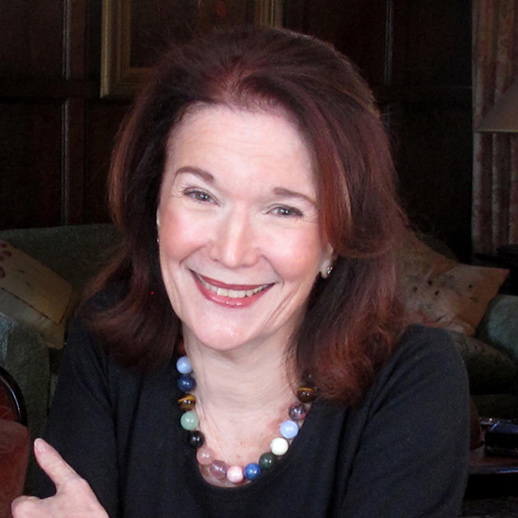
A photo of Sarakay Smullens

SaraKay Smullens

Social Worker, Life Activist, Educator, Psychotherapist

SaraKay Smullens, LCSW, ACSW, BCD, DCSW, CGP, CFLE, whose private and pro bono clinical social work practice is in Philadelphia, is a certified group psychotherapist and family life educator. In addition to her clinical emphasis, a long-standing professional priority has been to bring social work awareness and psychological insights to the public at large, and through this process join those devoted to addressing and alleviating divisiveness and rage in families, work settings, and society through education, advocacy, and activism.

SaraKay's activist roots began in her hometown, Baltimore, where as a child she witnessed the evils and degradation of the Jim Crow laws. While in undergraduate school at Goucher College, then a women’s college located in Baltimore, she successfully led a two-year campus coalition to end segregation in Towson, Maryland, the Baltimore suburb where Goucher College is located. A graduation award for this initiative led to an introduction to John F. Kennedy at the Democratic Convention in 1960, and subsequent employment at the Democratic National Committee, where she became a regional coordinator for young Democrats. It was President Kennedy who recommended social work to her as a profession.

In graduate school at Catholic University’s National Catholic School of Social Service in Washington, DC when President Kennedy was assassinated, she transferred to the University of Pennsylvania to complete her degree, where her scholarship and stipend were continued. The enormous impact of this year at Penn is documented in her fourth book, a second edition of Burnout and Self-Care in Social Work: A Guide for Students and Those in Mental Health and Related Professions, Work (publication date, October, 2021, NASW Press). The edition adds the dangers of societal burnout to the concentration on the personal, professional, relational, physical, and societal arenas in our lives where burnout is found — and the causes, warning signs, and evidence based self-care approaches to alleviate their danger and toll, The second edition also offers a fuller explanation of the differences between burnout and depression; and the impact of dysfunctional leadership in every facet of our lives, and democracy as a whole.

When Lynne Abraham became Philadelphia’s first woman District Attorney, she offered SaraKay an extraordinary pro bono opportunity: With the input of psychiatric consultation, she worked with staff to carefully select first offenders in domestic violence cases where there were no fatalities. In lieu of incarceration individuals and their families were offered intensive group psychotherapy, augmented by individual, couple, and family therapy and family life education. Her pro bono practice continues.

A best selling author. SaraKay’s articles and commentaries have appeared in peer-reviewed journals, newspapers, magazines, and blogs. Her articles about domestic abuse contributed to the reform of brutal, archaic Pennsylvania divorce laws. Her investigation of invisible patterns of emotional abuse, always part of physical and sexual violence, led to their independent codification. It also led to the founding of the Sabbath of Domestic Peace, an initiative focused on the involvement of Philadelphia clergy, identified as “a missing link,” in addressing the epidemic of domestic abuse and violence.

SaraKay’s professional papers and memorabilia are divided between the Archives of the University of Pennsylvania, Goucher College, and the John F. Kennedy Presidential Library. A recipient of numerous awards, in 2019 SaraKay was one of five graduates of the University of Pennsylvania School of Social Policy and Practice inducted into its Inaugural Hall of Fame.


The outline of a trophy encased in a circle

Awards and Honors

  • Society for Social Work Leadership’s 2021 Kermit B. Nash Award
  • Lifetime Achievement Award from the Pennsylvania chapter of NASW
  • NASW Media Award
    Best Magazine Article
  • Woman Leader of Distinction Award The Eastern Region Women's Ministry Pennsylvania Baptist State Convention
  • Honored Author, Diamond Jubilee Borrowers Ball
    The Free Library of Phildelphia
  • Louise Waterman Wise Award
    American Jewish Congress,
    Pennsylvania Region
  • Peace Medal, Women’s International
    League for Peace and Freedom
    Maryland Chapter
  • NASW Media Award
    "What I Wish I Had Known: Burnout and Self-Care In our Social Work Profession."
    The New Social Worker
 
   
The outline of a document encased in a circle

Professional Credentials and Memberships

  • Academy of Certified Social Workers
  • Authors Guild
  • Fellow, Pennsylvania Society for Clinical Social Work
  • National Association of Social Workers (NASW)
  • Pennsylvania Chapter, NASW
  • National Council on Family Relations (Certified Family Life Educator)
  • American Group Psychotherapy Association (AGPA), Certified Group Psychotherapist
  • Pennsylvania Chapter, (AGPA)